Cape Coral Real Estate News & Lifestyle

The Cape Coral lifestyle ranks high for people deciding to make Cape Coral, Florida, their forever or vacation home. We are committed to bringing you the best restaurants, things to do, nature, of course information on Cape Coral news & real estate and more. 

Looking for a home? Search Cape Coral real estate including waterfront homes, luxury properties, unique residences, pool homes, condos and new construction.

Thinking about selling? Learn more about selling your Cape Coral property and how Florida Future Realty positions distinctive homes to reach the right buyers.

Have questions about Cape Coral or Southwest Florida real estate? Call Florida Future Realty at 239-542-8521 or contact our team. We’re always happy to help.

Again, thank you for making Florida Future Realty one of the top real estate brokerages in Cape Coral. We love real estate and Cape Coral, Florida. We look forward to working with you.

Your in Success!

Nov. 2, 2026

Arcadia, Florida: A Charming Day Trip or Weekend Getaway from Cape Coral

Exploring Beyond Cape Coral | A birthday weekend of small-town shops, local food, history, and a little adventure.

One of the things I love about living in Cape Coral is how many different sides of Florida we can explore without getting on a plane. Sometimes, just a short drive takes you somewhere that feels completely different from home.

For a little birthday getaway over Halloween weekend, I headed to Arcadia. I found antique shops, boutiques, a wonderfully eclectic bookstore, local art, delicious food, historic buildings, and a peaceful walk along the Peace River.

But what really stood out were the people. So many of the shop owners and people I met were happy to chat, share stories, and tell me a little more about their town. That made the whole experience feel personal.

If you've been looking for an easy day trip from Cape Coral, or a weekend away without a long drive, Arcadia is worth considering.

View More
Sept. 22, 2026

The tale of two cities - err markets in Cape Coral

Cape Coral’s Two Markets: Homes Priced Right vs. Homes Chasing the Market

We almost have two different real estate markets happening at the same time in Cape Coral right now.

And if you're only looking at broad statistics like average days on market or the total number of homes for sale, it can be easy to miss what is actually happening.

One market consists of homes that are priced correctly, show well, and make sense compared with the competition.

Those homes can still move.

The other market is made up of homes that started too high, sat on the market, reduced the price...sat some more...reduced again...and are now trying to catch up with where buyers were all along.

Those homes can make Cape Coral look like everything is just sitting forever.

But that's not really the whole story.

Pricing Still Matters...A Lot

In a rapidly appreciating market, sellers could sometimes price a home a little high and simply wait for the market to catch up.

That is much harder to do today.

Buyers have more choices, they can compare properties instantly, and they are paying attention to what has actually sold.

If a home is listed noticeably above comparable properties, buyers often don't say:

"Let's make an offer and see what happens."

They say:

"We'll wait."

Or they move on to another house.

And once a listing starts accumulating significant days on market, buyers begin asking a different set of questions:

What's wrong with it?

Why hasn't anyone bought it?

How negotiable is the seller now?

Sometimes absolutely nothing is wrong with the property.

It simply started at the wrong price.

The Danger of "Let's Start High and See What Happens"

I understand why sellers are tempted to do this.

If you think your home might be worth $600,000, why not try $650,000 first?

Maybe someone loves it.

Maybe a buyer comes along who doesn't care.

Maybe you'll get lucky.

The problem is that your first few weeks on the market are often when you have the most attention from serious buyers.

That's when a listing is new.

It's appearing in saved searches.

Buyers who have been waiting for something like it are seeing it for the first time.

Agents are sending it to their clients.

If those buyers look at the price and immediately decide it doesn't make sense, you've lost some of your best initial exposure.

Then the price reduction comes.

Maybe $650,000 becomes $625,000.

Then $599,000.

Then $579,000.

By the time the property reaches the price buyers may have responded to initially, it has already been sitting for months.

That's what I mean by chasing the market.

A Long Time on Market Does Not Automatically Mean a Seller Is Desperate

This is important for buyers too.

I hear versions of this all the time:

"That house has been listed for 120 days. They must be ready to take a huge discount."

Maybe.

But not necessarily.

Sometimes the seller is highly motivated.

Sometimes they're not motivated at all.

Sometimes they've already reduced the home significantly and are now close to market value.

And sometimes the asking price is still unrealistic.

Days on market alone doesn't tell us which situation we're dealing with.

We still need to look at:

  • Recent comparable sales
  • Current competing listings
  • Previous price reductions
  • Property condition
  • Location
  • Waterfront access, if applicable
  • Upgrades
  • Seller circumstances when known
  • How the home compares with everything else a buyer could purchase

That's why I don't recommend choosing an offer price simply by saying:

"It's been sitting forever, let's offer 20% less."

We need to understand what the property is actually worth.

The Opposite Mistake Buyers Make

Buyers can also get so accustomed to seeing homes sitting for months that they begin assuming every listing is overpriced and nobody else is buying.

Then a genuinely well-priced home hits the market.

They like it.

But instead of acting, they think:

"Let's wait two weeks. It'll still be there."

And occasionally...it isn't.

A desirable property priced properly can still receive strong interest even in a market with a lot of inventory.

That's why understanding actual market value matters.

You don't want to overpay simply because a home is new.

But you also don't want to lose the right house because you're applying the behavior of an overpriced listing to one that was priced correctly from the beginning.

Why Cape Coral Statistics Can Be Misleading

This is one reason I keep saying there isn't really one Cape Coral real estate market.

We already have very different markets depending on property type.

Gulf-access homes behave differently than off-water homes.

Condos behave differently than single-family homes.

Entry-level homes behave differently than luxury waterfront homes.

And then within each of those categories, we're seeing another split:

Homes priced correctly

versus

Homes chasing the market

The tale of two cities - when it's really just one -lol

Put all of those properties together into one median days-on-market statistic and you lose a lot of the story.

A home that was overpriced for five months before finally selling is counted right alongside a well-priced property that sold quickly.

That's useful data...

but it doesn't necessarily tell you what your particular house will do.

Sellers: The Market Doesn't Care What You Need to Net

This isn't always fun to hear, but it's important.

A seller may need a certain amount because of:

  • What they originally paid
  • Improvements they've made
  • Their mortgage balance
  • What they want to buy next
  • What a neighbor sold for two years ago
  • What Zillow says
  • What they feel the home should be worth

Those things can matter personally.

But buyers are comparing your home with the other homes available today.

That's the market you're competing in.

Our job isn't to tell a seller the lowest number we can so the house sells instantly.

And it isn't to give an inflated number simply to get the listing.

It's to look at the actual market and determine where the property is most likely to compete successfully.

Buyers: A Price Reduction Isn't Always a Bargain

The same lesson works in reverse.

A home that started at $750,000 and is now listed at $650,000 hasn't automatically become a bargain because the seller reduced it by $100,000.

If comparable homes suggest it's worth $625,000, it's still overpriced.

Likewise, a new listing at $650,000 may be a better value even though it hasn't had a single price reduction.

The original asking price is not the benchmark.

Market value is.

So How Do You Know Which Market a Home Is In?

That's where local market knowledge becomes useful.

When we're evaluating a property, I'm looking at much more than the list price.

I'm looking at what has actually sold, what's competing with it now, how buyers have responded to similar properties, how long comparable homes are taking to sell and whether the property's features justify its price.

Sometimes I'll tell a buyer:

"I think this one is priced really well. If you want it, I wouldn't assume it's going to sit."

Other times I'll say:

"I like the house, but I don't think the current asking price makes sense."

Both can be true in the exact same market.

The Bottom Line

Cape Coral isn't a market where absolutely nothing sells.

And it isn't a market where everything flies off the shelf.

It's much more nuanced than that.

Well-positioned homes can still sell.

Overpriced homes can sit for a very long time.

And buyers and sellers who understand the difference have a major advantage.

If you're looking at a Cape Coral property and wondering whether it's actually priced well—or you're thinking about selling and want to know where your home fits in today's market—reach out.

We can look at the actual numbers rather than guessing based on a headline or an average.


239.542.8521 ~ Speak with one of our agents here at Florida Future Realty

Thinking of selling? We can help with that. Sell your Cape Coral House

Or Start Searching for homes now using some of our top searches:


Explore Cape Coral homes

Sept. 22, 2026

Buying in NW Cape Coral Near Star Farms? What Buyers Should Know

Buying in NW Cape Coral Near Star Farms? What Buyers Should Know

If you're shopping for a home or vacant land in Northwest Cape Coral, you've probably heard about Star Farms at Cape Coral.

You may also know the project by its previous name, Hudson Creek.

This is one of the largest development projects planned for Northwest Cape Coral, and even if you never plan to live inside Star Farms itself, it may affect what it's like to own property nearby.

Where Is Star Farms?

Star Farms is being developed in Northwest Cape Coral near the Burnt Store Road corridor.

The broader development area includes a large amount of land north of established Cape Coral neighborhoods.

That location matters because Burnt Store Road has become one of the city's major northern growth corridors.

What Is Planned?

The larger development has historically included approvals for thousands of residential units along with significant commercial development.

Potential uses have included:

  • Homes
  • Retail
  • Office space
  • Hotels
  • Assisted living
  • Other mixed-use development

As with any large project, plans can change over time.

Why Buyers Care

If you're considering property nearby, the biggest potential changes are not necessarily inside the community itself.

What matters to many buyers is what happens around it.

Growth may eventually mean:

  • More restaurants
  • More shopping
  • More medical services
  • Better access to everyday conveniences
  • Additional road improvements
  • More new construction

For buyers who love Northwest Cape Coral but wish there were more amenities nearby, that's significant.

What About Traffic?

More homes and commercial development also mean more vehicles.

Anyone buying near Burnt Store Road should consider current and future traffic patterns.

A location that feels extremely quiet today may feel different as development progresses.

That isn't automatically good or bad.

It depends on what you're looking for.

Vacant Land Buyers Should Pay Attention Too

If you're considering a vacant lot in Northwest Cape Coral, nearby development can affect more than convenience.

You should also understand:

  • Availability of utilities
  • Future utility expansion
  • Road access
  • Nearby construction
  • Environmental conditions
  • Assessments
  • Zoning and land use

Two lots that appear similar on a map can have very different long-term characteristics.

What About New Construction?

Star Farms is part of a much larger trend of new construction moving north in Cape Coral.

That means buyers may increasingly have a choice between:

  • Existing homes on individual Cape Coral lots
  • New spec homes
  • Builder communities
  • Master-planned developments

Each offers a different lifestyle.

Most of Cape Coral is still made up of homes located on individual lots rather than gated master-planned communities.

Star Farms represents a very different type of development.

Could Nearby Property Values Change?

Possibly.

But I would never tell a buyer that a development automatically guarantees appreciation.

What we can say is that major roads, utilities, commercial development and population growth can change how buyers perceive an area over time.

The important question is whether those changes fit your goals.

Is NW Cape Coral Right for You?

Northwest Cape Coral appeals to buyers who often want:

  • Newer homes
  • More open surroundings
  • Larger vacant areas
  • Access toward Punta Gorda
  • Gulf-access opportunities in certain locations
  • Potential long-term growth

Other buyers prefer Southeast or Southwest Cape Coral because they want to be closer to established restaurants, shopping and services today.

There isn't one "best" part of Cape Coral.

There's the part that fits how you want to live.

Search Homes in NW Cape Coral

If you're considering Northwest Cape Coral, the easiest way to understand the area is to compare the homes, lots and new-construction options currently available.


Search NW Cape Coral homes for sale and then reach out when you'd like help narrowing down the locations that make the most sense for you.

Sept. 22, 2026

Older vs Newer Homes in Cape Coral: What Buyers Should Know

Older vs Newer Homes in Cape Coral: What Buyers Should Know

One of the first questions many Cape Coral buyers ask is:

Should I buy an older home or newer construction?

The answer isn't as simple as new is better and old is worse.

Cape Coral has homes from many different construction eras, and each comes with its own advantages and things worth investigating.

Older Cape Coral Homes

Older Cape Coral homes often have advantages buyers love:

  • Established neighborhoods
  • Mature landscaping
  • Larger lots
  • Better-established waterfront areas
  • Shorter boating routes in some locations
  • Renovated interiors and systems

But depending on the age of the home, buyers may want to look more closely at:

  • Cast-iron plumbing
  • Aluminum wiring
  • Older electrical panels
  • Roof attachments
  • Hurricane protection
  • Windows and doors
  • Plumbing updates
  • Previous storm damage

An older home that has been thoughtfully updated may be an excellent purchase.

Homes Built Before the 2002 Florida Building Code

Florida's statewide building code became effective in 2002.

That makes 2002 an important date when comparing Cape Coral properties, especially when buyers are looking at hurricane-related construction features.

But don't assume every pre-2002 home is inferior.

Many older homes have since added:

  • Impact-rated windows
  • Hurricane shutters
  • New roofs
  • Updated garage doors
  • Improved roof attachments
  • Updated electrical and plumbing

Always evaluate the actual property.

Cape Coral Homes Built During the 2000s Boom

Cape Coral saw enormous construction growth during the early and mid-2000s.

Many homes from that era are excellent properties.

Still, buyers should be aware of issues that sometimes appear in homes from that period, including problem drywall and varying construction quality.

A professional inspection matters.

New Construction in Cape Coral

Cape Coral continues to see significant new construction.

New homes can offer:

  • Modern floor plans
  • Newer building standards
  • Modern electrical and plumbing
  • Energy-efficient systems
  • Impact windows in many builds
  • New roofs and HVAC systems

But don't skip the inspection just because the house is brand new.

New construction can still have:

  • Water-intrusion issues
  • Window or door installation problems
  • HVAC concerns
  • Settlement cracking
  • Incomplete punch-list items
  • Workmanship issues

Two brand-new homes can look almost identical and still have very different construction quality.

Impact Windows Aren't Required on Every Existing Home

A common misconception among relocating buyers is that older Cape Coral homes must be updated with impact windows before they can be sold.

That isn't how it works.

An older home does not automatically have to be retrofitted to every modern construction standard simply because ownership is changing.

The home may instead have shutters or other forms of opening protection.

Your insurance company may care about these features, and they may affect pricing, but that does not automatically mean the seller must replace everything before closing.

Your Inspection Is Information...Not Automatically a Seller Repair List

Cape Coral buyers are often surprised by this one.

An inspector may tell you:

  • The roof is aging
  • The electrical panel deserves further evaluation
  • The windows aren't impact rated
  • The plumbing is older
  • Something needs maintenance
  • Something should be repaired

That does not automatically mean the seller is required to fix everything.

The As Is contract is commonly used in Southwest Florida.

During the inspection period, buyers can investigate the property and decide whether they want to continue.

Depending on the contract and negotiations, you may request repairs, a credit or another concession.

The seller may agree...or they may not.

The important thing is knowing what you're buying.

Insurance Can Change the Equation

Sometimes an issue isn't necessarily a dealbreaker from a construction standpoint, but it becomes important because of insurance.

That's why we encourage buyers to obtain insurance information early.

The condition and age of items such as the following can matter:

  • Roof
  • Plumbing
  • Electrical system
  • HVAC
  • Hurricane protection

Waterfront Homes Require Additional Due Diligence

If you're shopping for a Gulf-access home, there are additional things to consider beyond the house itself:

  • Seawall condition
  • Dock
  • Boat lift
  • Canal width
  • Bridge clearance
  • Water depth
  • Boating route

This is one reason Cape Coral buyers benefit from working with someone who understands both the houses and the waterfront system.

Which Is Better...Older or Newer?

Neither automatically wins.

An older home may offer a superior waterfront location and extensive updates.

A new home may offer modern construction and fewer immediate maintenance concerns.

The best choice depends on:

  • Your budget
  • Location
  • Waterfront needs
  • Insurance
  • Desired improvements
  • How much maintenance you're comfortable taking on

Search Cape Coral Homes by What Matters to You

Instead of choosing solely by year built, start with what matters most to your lifestyle.


You can search Cape Coral homes by location, waterfront access, price, new construction and other features right here on WhyCapeCoral.com.

Sept. 15, 2026

Cape Coral Home Prices: Gulf Access vs Off Water

When someone asks, “What is the average home price in Cape Coral?” it sounds like a simple question. The problem is that Cape Coral is not one uniform housing market.

A buyer looking for an off-water home is shopping in a very different market from someone looking for a Gulf-access home. Combining all of those properties into one citywide number may produce an accurate statistic, but that number might not accurately describe the homes you are considering. The worst I feel are the large Cape Coral / Ft Myers Metro areas all lumped together, single-family homes, condos, etc. I prefer to pull my own statistics and look at them more in depth.

What the Cape Coral numbers show

I recently reviewed Cape Coral single-family home sales from the previous 90 days.

For all single-family homes combined, the median figures were:

  • Median list price: $399,900
  • Median sold price: $390,000
  • Median living area: 1,818 square feet
  • Median price per square foot: $224.77
  • Median days on market: 49

Those numbers provide a general snapshot of Cape Coral. Now let’s separate the properties by water access.

For off-water homes, the median figures were:

  • Median list price: $350,000
  • Median sold price: $345,000
  • Median living area: 1,715 square feet
  • Median price per square foot: $206.84
  • Median days on market: 44

For Gulf-access homes, the median figures were:

  • Median list price: $750,000
  • Median sold price: $725,000
  • Median living area: 2,100 square feet
  • Median price per square foot: $346.18
  • Median days on market: 64

That is a substantial difference.

The median Gulf-access home sold for $380,000 more than the median off-water home. It was also larger, commanded a much higher price per square foot, and generally took longer to sell. But we also just delve into another big contrast as well. The difference between homes priced well out the gate versus the ones who want to price high and see, not in a hurry to sell, etc. Check out this blog post here: Cape Coral Real estate market Fall 2026 for more on that.

What this means for Cape Coral buyers

If you are searching for a Gulf-access home, headlines about Cape Coral’s overall median price may not be particularly helpful.

You aren’t simply paying for the house. The value can also be affected by:

  • The type of water access
  • Whether there are bridges or locks
  • The height and number of bridges
  • Boating distance to open water
  • Canal width and depth
  • Seawall condition
  • Lot location and view
  • city water & sewer statuses
  • The home’s age, elevation, and even storm history and insurance costs because of these factors
  • Pool and outdoor-living features
  • Renovations and overall condition

Two homes with similar square footage can have dramatically different values because one provides quicker or more desirable boating access.

Even within the Gulf-access category, no single market exists. A direct-access home close to the river is not necessarily competing with a home that requires a longer trip through multiple canals and bridges.

What this means for sellers

Sellers also need to be careful when looking at broad Cape Coral statistics.

An off-water home should not be used to establish the value of a Gulf-access property. At the same time, not every Gulf-access sale is a valid comparable for every other waterfront home.

Your home needs to be compared with properties that share the features buyers are actually paying for. That includes location, access, age, condition, lot characteristics, and boating experience.

I'm sure you understand, but it's important to have an agent drilling down into the data versus working with one using generic or broad statistics.

Look at the market you are actually entering

Cape Coral market statistics are useful, but only when they are applied to the right type of home.

Before deciding whether a home is overpriced, underpriced, or fairly priced, look beyond the citywide median. The better question is:

What is happening in the specific Cape Coral market for this type of property?

That is where the numbers become genuinely useful.


Explore Cape Coral homes

Statistics reflect Cape Coral single-family home sales reviewed through the MLS for the preceding 90-day period. Real estate conditions change, and individual properties may vary considerably. As this post will age pls ask for updated numbers when you reach out. You can reach our office at 239.542.8521 to learn more, ask questions, or schedule a meeting wtih one of our real estate agents here at Florida Future Realty. ~ Susan Milner, broker/owner

May 11, 2025

SW Florida April 2025 Market Update

🌴 April 2025 SWFL Market Recap – What You Need to Know


The Southwest Florida real estate market showed steady momentum with subtle shifts throughout April, revealing a mix of buyer activity, rate sensitivity, and seller adjustments.

  • Mortgage rates fluctuated slightly, starting the month at 6.74% and ending at 6.90%. While not a major spike, the uptick may have nudged some buyers to act sooner while causing others to pause.
  • New listings remained consistent, hovering around 400–500 per week, keeping inventory balanced and offering opportunities on both ends of the deal.
  • Closed sales were strongest at the end of the month, peaking at 363 during the week of April 28—proof that buyers are still pulling the trigger when the price is right.
  • Pending sales held steady in the 360–390 range, indicating active buyer engagement throughout the month.
  • Median sales prices fluctuated slightly but stayed within a healthy mid-range—dipping from $377k at the start to $365k by month-end, offering more breathing room for buyers.
  • We also saw a surge in expired listings at the start of May, likely due to end-of-month listing expirations—a common pattern, but one to monitor if it becomes a trend.


Bottom line? The market remains active, with motivated buyers and sellers both in play. Proper pricing and presentation remain key, and with rates still below 7%, many are seizing the moment before the fall/winter season rush.

Contributed by Brayden Milner

Posted in Real Estate Market
April 6, 2025

FEMA Flood Map Cape Coral Florida

FEMA’s recent overhaul of Cape Coral’s flood maps, finalized in November 2022 following Hurricane Ian’s wake-up call, has turned the tables for many homeowners. These updated maps, armed with sharper flood risk data, have redrawn the lines—sometimes leaving a home elevated safely in a low-risk X Zone while its pool or backyard now dips into a high-risk AE Zone. This unexpected split can catch property owners off guard, especially those with mortgages, as lenders may now require flood insurance despite the house itself staying out of harm’s way—and even when the property remains untouched by water, far from flooding during past storms. With higher premiums post-Ian, keeping tabs on your property’s new flood status is more valuable than ever.

But here’s the good news: you’ve got options. Local experts, like third-party firms specializing in flood zone disputes, can step in, review your elevation data, and push FEMA for a Letter of Map Amendment (LOMA) to shift your property—or at least your home—out of the high-risk category, often in no time flat. Want to handle it yourself? Snag an elevation certificate from a surveyor and apply for a LOMA through FEMA’s online portal. A pool edging into an AE Zone doesn’t have to spell trouble for your insurance, and sorting this out can protect you from unexpected costs while keeping your investment secure. Picture this: a flood map tags a house in an X Zone—smooth sailing, right? Zoom in, and the pool’s corner slips into AE, triggering a loan’s insurance rule—despite no flooding ever touching the home.

Without a sharp Realtor’s local expertise, this hiccup could’ve derailed the deal. Want the full scoop? Tune in to our broker Susan and top agent Sarah unpacking it on our YouTube channel. Cape Coral Flood Insurance Information Video


IMG_1798.jpeg


P.S. Did you know that you can check on a home's elevation/flood zone right on the City of Cape Coral's GIS system?  https://www.capecoral.gov/department/information_technology_services/disclaimer.php Check it out!


Cape Coral Flood Map

Want to see the site elevation certificate for your house in Cape Coral? It's easy to check - here try it: https://capecoralfl.withforerunner.com/


Article written by Sarah Rothenberg

Dec. 13, 2024

Cape Coral: What is a 4-Point Inspection

What is a 4-Point Inspection and Why is it Important to Insurance Companies? (Especially in Cape Coral, FL)

If you're buying a home in Cape Coral, Florida, or renewing your homeowner's insurance, you've likely encountered the term 4-point inspection. This inspection is particularly crucial for homes that are over 20 years old, and insurance companies often require it before issuing or renewing a policy. But what exactly is a 4-point inspection, and why is it so important?

What is a 4-Point Inspection?

A 4-point inspection is an evaluation that focuses on the four major systems of your home:

  1. Roof
  2. Electrical system
  3. Plumbing
  4. HVAC (Heating, Ventilation, and Air Conditioning)

Rather than a full home inspection, which is also important and highly recommended, a 4-point inspection zeroes in on the key systems that present the most risk to insurers. This inspection assesses the age, condition, and safety of each system to determine if they are at risk for major repairs or could pose safety hazards in the future.

Why Do Insurance Companies Require a 4-Point Inspection?

  1. Risk Mitigation: Insurance companies use this inspection to assess the likelihood of costly claims. For example, an aging roof is more susceptible to leaks, and outdated electrical wiring could increase the risk of a fire. By examining these systems, insurers can better gauge the risk they’re taking on by insuring the property.

  2. Cost Control: Homes with updated, well-maintained systems are far less likely to suffer from major problems, which results in fewer claims for the insurance company. If the inspection reveals serious issues—like an old, damaged roof or dangerous electrical wiring—the insurance company might refuse coverage until the repairs are made.

  3. Florida's Strict Insurance Requirements: Due to the increased risk of hurricanes and tropical storms in Florida, insurance companies are very strict in assessing the condition of homes. In places like Cape Coral, which are vulnerable to severe weather, insurers want to ensure that the homes they cover can withstand potential damage, making a 4-point inspection mandatory in most cases.

Why is a 4-Point Inspection Crucial in Cape Coral, Florida?

  1. Hurricane Risk: Cape Coral is in a hurricane-prone zone, making the condition of the home’s roof, electrical, plumbing, and HVAC systems critically important. A poorly maintained roof could lead to catastrophic water damage in a storm, and faulty electrical systems could pose a serious safety threat in the event of power surges.

  2. Older Homes: Many homes in Cape Coral were built before 2000. Insurance companies require a 4-point inspection for older homes to ensure they are up to code and won’t pose excessive risks. If your home has older systems that are likely to fail, getting insured—or even getting a mortgage—can become challenging.

  3. Impact on Insurance Premiums and Policy Approval: If your home passes the 4-point inspection, you may qualify for lower insurance premiums since the insurer views your home as less risky. On the flip side, if the inspection reveals issues, you may be required to make repairs before coverage is issued or renewed.

A Clean 4-Point Inspection is Key to Securing a Mortgage

A clean 4-point inspection isn’t just important for insurance—it can be essential to securing a mortgage and closing on a property. If you can't pass the inspection due to significant issues (like a deteriorating roof or faulty electrical system), the insurer may deny coverage. Without insurance, most mortgage lenders will not approve the loan, meaning you won’t be able to close on the property until the necessary repairs are made.

For buyers, this means that a failed 4-point inspection could cause delays in the home-buying process or, in some cases, result in the deal falling through altogether. Sellers should also be aware that if their home can't pass a 4-point inspection, they may need to address any problems before listing the home or risk losing potential buyers who can’t obtain insurance and financing.

What Happens if You Fail the 4-Point Inspection?

If the inspection identifies major concerns, it doesn’t mean you're out of options. In most cases, you’ll need to make repairs to bring the home up to standard. For example:

  • Roof: You may need to replace the roof if it’s near the end of its lifespan or has damage.
  • Electrical System: Outdated or faulty wiring, such as aluminum wiring, might need upgrading.
  • Plumbing: Old pipes that are prone to leaks or burst may require replacement.
  • HVAC: If your HVAC system is malfunctioning or outdated, it may need repair or replacement.

Once these repairs are made, you can request another inspection, and if the home passes, you can move forward with securing insurance and your mortgage.

In Cape Coral, Florida, a 4-point inspection is more than just a formality—it’s often required by insurance companies and can even affect your ability to secure a mortgage. By evaluating the roof, electrical, plumbing, and HVAC systems, this inspection ensures that homes meet safety and functional standards, helping both insurers and homeowners mitigate risk. Failing a 4-point inspection could lead to insurance denial, mortgage delays, and potentially losing the home sale. Staying proactive and addressing issues before they become roadblocks will help ensure a smooth home purchase or insurance renewal.


cape coral fl 4 point inspection

Article written by Sarah Rothenberg

Dec. 13, 2024

100 Million Dollar Purchase in NW Cape Coral ready for development

We have an updated post on this development you can check out: Star Farms Project Continues

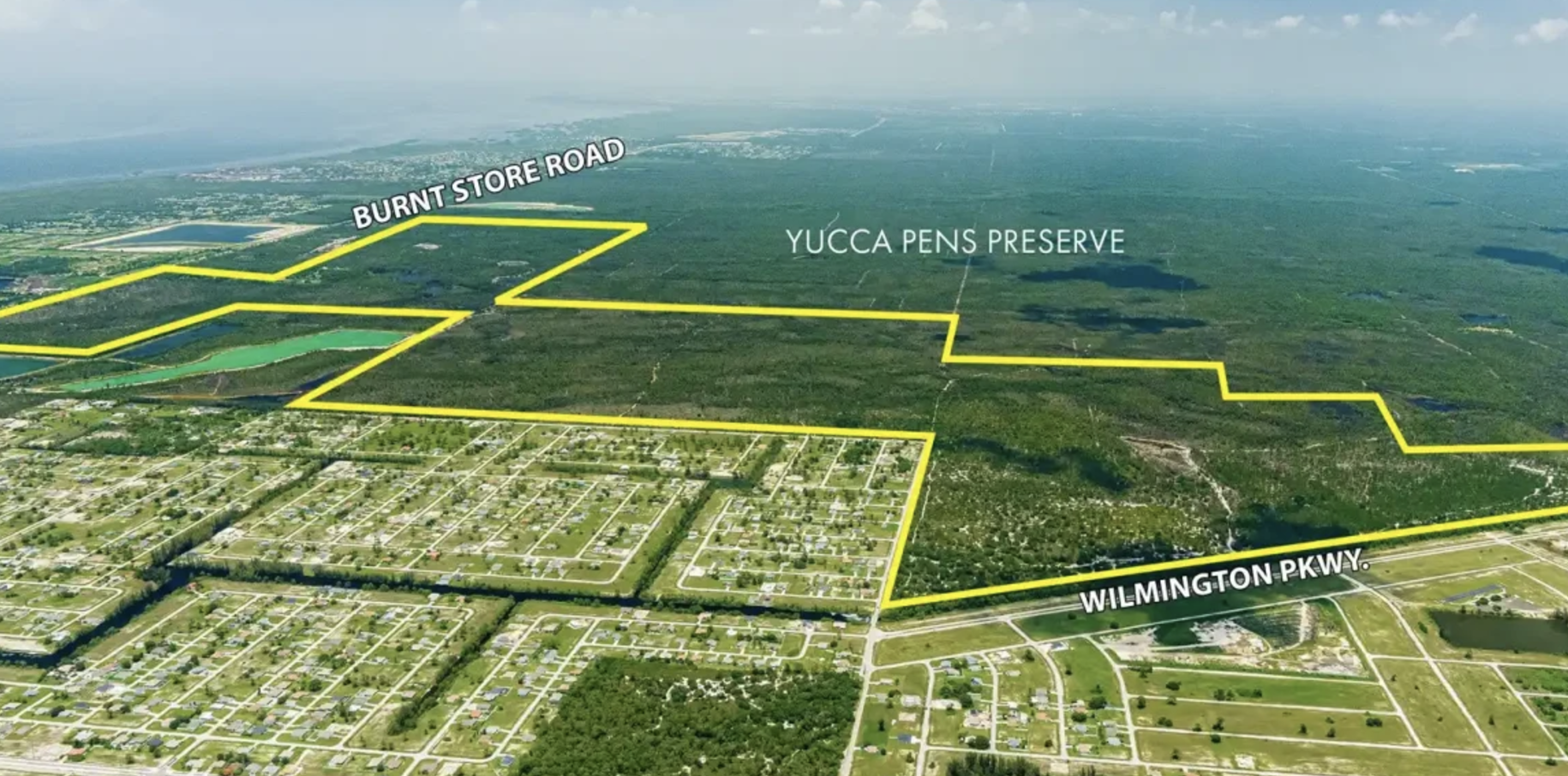
In record breaking news this week, an over 1,700 acre parcel in NW Cape Coral has been purchased for 100 Million Dollars by a developer, Forestar, which is a subsidiary of DR Horton. 

They have some big plans for this development to include upwards of 3,500 single family homes, with sidewalks and bike baths. They are also planning to include a ton of commercial as well to include such things as hotels, shopping, office space, assisted living & even a 3,000 student college. 

Some residents are excited about this development citing the need for more things to do in the NW quadrant of Cape Coral while others are more hesitant and worried about added traffic, displacement of wildlife and the general vibe of Cape Coral getting lost in a bigger city format.

Whether or not we're ready, growth is happening here in Cape Coral. We shared news about many new developments on Cape Coral Pkwy in news earlier including waterfront dining, shopping, luxury apartments and more medical facilities. 


Here's a photo showing the area for reference in this historical Cape Coral raw land purchase.

100 million dollar raw land purchase cape coral fl


Article Written by Susan Milner

Sept. 20, 2024

Aug 2024 Market Update

As we move into September, let’s take a comprehensive look back at the key real estate trends that shaped August. This month has been dynamic, showing some interesting shifts in the market. Here’s what happened:
Week of August 5, 2024:
• Mortgage Rates: 6.34%
• New Listings: 393
• Sold Properties: 308
• Expired Listings: 231
• Pending Sales: 297
• Price Decreases: 612
• Median Sales Price: $371k
Week of August 12, 2024:
• Mortgage Rates: 6.55%
• New Listings: 305
• Sold Properties: 208
• Expired Listings: 91
• Pending Sales: 302
• Price Decreases: 582
• Median Sales Price: $370k
Week of August 19, 2024:
• Mortgage Rates: 6.53%
• New Listings: 434
• Sold Properties: 269
• Expired Listings: 100
• Pending Sales: 344
• Price Decreases: 649
• Median Sales Price: $382k
Week of August 26, 2024:
• Mortgage Rates: 6.43%
• New Listings: 393
• Sold Properties: 237
• Expired Listings: 87
• Pending Sales: 344
• Price Decreases: 602
• Median Sales Price: $390k
Key Observations for August 2024:
• Mortgage Rates: August saw mortgage rates fluctuate, starting at 6.34% at the beginning of the month and ending at 6.43%. This slight increase throughout the month still kept rates below the higher levels seen earlier this year, making financing relatively more attractive to buyers.
• New Listings: New listings were strong, peaking at 434 mid-month and tapering down slightly to 393 by the end of August. The steady flow of new listings indicates continued seller confidence in the market, providing a healthy range of inventory for buyers to choose from.
• Sold Properties: The number of sold properties fluctuated throughout the month, starting high at 308 in the first week and gradually decreasing to 237 by the end of August. While the decline could reflect a variety of factors, it’s worth noting that the market remained active despite rate increases.
• Expired Listings: Expired listings saw a sharp drop from 231 at the beginning of the month to just 87 by the end of August. This suggests that more properties were successfully sold or renewed without expiring, reflecting a more efficient market.
• Pending Sales: Pending sales remained relatively stable, fluctuating around the 300 mark. The consistency in pending sales indicates ongoing buyer interest, even with the slight shifts in market dynamics.
• Price Decreases: Price decreases were prominent, peaking at 649 during the week of August 19 but then reducing to 602 by the end of the month. This reflects sellers making strategic pricing adjustments to attract buyers in a competitive market.
• Median Sales Price: The median sales price experienced some notable changes, starting at $371k and ending the month at $390k. This increase indicates that higher-priced properties are moving, or it could signal a general upward trend in property values.
Summary:
August 2024 showcased a dynamic market in Southwest Florida, with steady new listings and fluctuating mortgage rates driving activity. The increase in median sales price suggests strong interest in higher-end properties, while the reduction in expired listings highlights efficient market conditions where homes are moving at a steady pace.
Sellers appear to be adjusting their pricing strategies to align with buyer expectations, as seen in the consistent price decreases, and the rise in pending sales suggests that buyers are still actively participating despite market fluctuations.
As we move into September, the market remains healthy, and both buyers and sellers should continue to monitor these trends to make informed decisions. If you have any questions or need personalized advice, feel free to reach out.
Thanks, 

Brayden Milner | Florida Future Realty

Posted in Real Estate Market